
Something about Lie-Detectors

ABSTRACT

Whereas some of the English speaking Countries use Lie-Detectors, other Nations (such as the Wisest and Sagest Italy) do not! This article, very briefly, shows why Lie-Detectors should not be trusted. Exempli gratia, they could be perilous and dangerous instruments during police enquires and/or any other investigation of Truth.

In other word, Lie Detectors could not be more trustable then Medieval “Trial of Ordeal” and/or Judicium Dei!! Why? Read the article and get the answer by Yourself!

 “And after all, what is a lie? Tis but

The truth in masquerade; and I defy

Historians, heroes, lawyers, priests to put

A fact without some leaven of a lie.

The very shadow of true truth would shut

Up annals, revelations, poesy,

And prophecy …

Praised be all liars and all lies!”

Lord Byron, Don Juan

Introduction: lies and human ability to recognise them.

It is believed that abilities to recognize lies have been developed from the earliest human history. They were supposed necessary skills for human survivor (Swanson C. R., Chamelin N. C. and Territo L., 1996). Nevertheless, the homo sapiens sapiens does not seem to have succeed in this “adaptation”! Their abilities to identify lies are not higher then chance (Ekman and O’ Sullivan, 1991). Indeed, even though most people believe to be able to recognize deceiving, very few of them (independently by their professions and experiences) are able to perform better then chance (Bartol C. R. and Bartol A. M., 2004; Kraut and Poe, 1980; De Paulo and Pfeifer, 1986). In some empirical cases, data showed performances lower then chance (Porter S., Woodworth M. and Birt A. R., 2000).

Only the U. S. secret agents of Central Intelligence Agency (C.I.A.) have performed better then chance. They had a score of 64% in deceptions’ identification (Ekman P. and O’Sullivan M., 1991). In other words, they are wrong one third of the cases!! Good job (!), considering the consequences of their actions!

The ability of human beings to read the verbal and not verbal communication of the others was the first kind of lie detector. It was believed (from the Ancient Time) that: when a person lies, he/she is nervous for his/her sense of guilty. Hence, liars manifest physiological arousal and behaviours such as: looking down; avoid gazing at the eyes of accusers; moving their “big toe in circle”; getting dry their mouths (Swanson C. R., Chamelin N. C. and Territo L., 1996; Segrave K., 2004). According to Segrave (2004), Vedas have described some of these clues since Antiquity. More recent studies (from: psychology; ethology; physiology) seem to have confirmed the tendency of the human beings to express their deceiving with some verbal and not verbal signs.

Ekman, O’Sullivan, Friesen and Scherer (1991) suggest that the combination of the verbal and facial clues allowed performances of 86% in lie detector. But, this study has not been confirmed by others literature!

The failing to detect lies (using the verbal and not verbal clues) is originated, according to Vrij A. (2000), from observers’ will, as they “do not want to detect lies”. I do not believe this is the reason. I consider reason: the unreliable nature of these signs. They could be, simply, neutral expressions of emotional states that can: be originated by different sources; indicate opposite feelings. Thus, any associations between these signs and lies …: could be arbitrary; and follow observers’ expectances. Furthermore, human beings react differently each other’s. So, it is not possible to individuate behavioural patterns able to indicate lying. Evidences are given by the study of: Akehurst et. al. (1996);  Kapardis (2005). According to the latter, people are more accurate in recognition their own lying patters of behaviours rather than others.  This implies the existence of different patters of behaviour from person to person.

There are a lot of evidences about the unreliable nature of these indicators. For instance: the eye blinking, considered a deception – indicator (Kapardis, 2005; Bartol C. R. and Bartol A. M., 2004), has not been confirmed by other studies (Mehrabian, 1971). Then, the avoidance of looking at the other peolple’s eyes does not mean necessary: lying. It can also indicate politeness (e.g. staring is considered aggressive behaviour). Next, it could indicate simply: shyness; etc… .

Further, some authors (Swanson C. R., Chamelin N. C. and Territo L., 1996) consider “opening wider the eyes” like a clue of deceiving. But, this sign can, on the other hand, simply indicate: a state of surprise; and/or the wish to “see clearer” (Eibel-Eibelfeldt, 1993).

More, the higher pitch of voice, considered a good indicator for lying (Kapardis, 2005), correlates also with intimate relation (Eibl-Eibelsfeldt, 1993).

Although Vrij (2000) thinks that “some behaviour are more likely to occur when people are lying”, I believe they caused by different factors (of opposite nature) that do not allow any trustable use.

One of these opposite factors can be: both the fear of the deceiver and the fear of the innocent to be involved in an unpleasant situation (Swanson C. R. Chamelin N. C. and Territo L., 1996). This is as the emotional and physiological arousal is “the same” for every feeling.

Thus, I agree with Kapardis (2005) that human beings are not good lie detectors.

Consequently, we are going to focus on the “technological” lie detectors: voice lair detectors (psychological stress evaluator); and polygraph.


Technology employed in the recognition of deceiver: voice lair detectors; polygraph.

Psychological Stress Evaluator (PSE)

According with Kapardis (2005) and Bartol C. R. and Bartol A. M. (2004), Psychological Stress Evaluator (PSE) is based on some assumptions. One of these is that: physiological stress produces changes in the voice of liars. Hence, the Psychological Stress Evaluator attempts to identify low frequency changes in the voice to recognize the presence of a higher stress. The “micro-tremor in the vocal muscles” is used like indicator. Although the PSE could be employed in a wide range of application (Kapardis, 2005; Segrave K., 2004), different studies report it does not perform better then chance (Kapardis, 2005; Bartol C. R. and Bartol A. M., 2004).

The changes in the voice, indeed, are not characteristic features of lying. They follow a wide range of emotions (Lykken D. T., 1988; Eibl-Eibesfeldt I., 1993). For instance, they can be produced by: the uncomfortable feeling caused by a “particular question”; and/or by the person who makes the question; and/or by the situation itself.

In these cases, one can result “liar” even telling the truth.

Polygrap

A better instrument, with less application then PSE, is the polygraph.

The polygraph attempts to recognize those physiological changes linked with offenders’ fear to be identified like liar (Howitt D., 2002).

Many items are measured (poly = many; graph = measures). They are: respiration; heart rates; blood pressure; electro-derma response.

According to Bartol C. R. and Bartol A. M. (2004), Kapardis A. (2005), Raskin D. C. (1989) and Vrij A. (2000), there are different techniques: the relevant – irrelevant technique (R-I); the control question test (CQT); the guilty knowledge test or Information Test (GKT)[1].

Relevant – irrelevant technique (R-I)

The R-I method assumes that: the fear to be identified like liar produces more physiological responses to relevant questions then the irrelevant ones (Bartol C. R. and Bartol A. M., 2004).  This assumption does not always work. A strong emotional response (to the relevant questions) can be given by: both liars; and truthful people (Bartol C. R. and Bartol A. M., 2004; Gale A., 1988). Is can fallow “the simple fact that innocent” people are “anxious about the outcome”. So, they produce positive responses to the relevant questions (Kapardis A., 2000). Moreover, the literature indicates that R-I has not met an acceptable internal and external validity (Ruskin D. C., 1989).

Control question test (CQT)

The CQT method applies three types of questions: neutral questions; relevant questions; control questions (Bartol C. R. and Bartol A. M., 2004; Ruskin D. C., 1989; Vrij, 2000). The control questions are the key feature of this test. The physiological reactions, exhibited during the control questions[2], are confronted with subjects’ reactions exhibited during relevant questions (Ruskin D. C., 1989; Vrij A., 2000).

This method has several problems. The difficulty to construct control questions “that will elicit stronger physiological responses in the innocent than relevant question about the crime” (Bartol C. R. and Bartol A. M., 2004; Ruskin D. C., 1989; Vrij, 2000). The increase of emotional arousal in innocent subjects that can be caused by different reasons, not related to the sense of guilty (Vrij A., 2000).  The weakness of its theoretical foundation and logical rationale (Ben-Shakher G., 2002). The inadequate standardization (Ben-Shakher G., 2002). The lack of physiological responses’ objective quantification (Ben-Shakher G., 2002). The problem of contamination from not – physiological responses (Ben-Shakher G., 2002). The examinees’ belief about the infallibility of the test (Vrij A., 2000). In absence of this latter, the physiological reactions can be inappropriate to the outcome of a reliable test.

Guilty knowledge test or Information Test (GKT)

The GKT is considered one of the best methods for detecting lying (Bartol C. R. and Bartol A. M., 2004; Ben-Shakher G. and Elaad E., 2002), even though little work has been done for its implementation (Ben-Shakher G. and Elaad E., 2002). According to Ruskin D. C. (1989), Vrij A. (2000), Kapardis A. (2005), the questions[3] are constructed using unknown material about the scene of crime. This material can be known only by: examiners; people present at the criminal scene. The test has the form of a multiple-choice test. It is aim is not to discover deception, but presence of “guilty knowledge”. The guilty knowledge is detected observing strong physiological reactions with alternatives related to the crime scene.

One of the best discriminator, between the presence of guilty knowledge and its absence, appears to be the electro dermal responses (Kapardis A. 2005; Raskin D. C., 1989).

According to Ben-Shakher G. and Elaad E. (2002), this method can resolve different problems that rose with the formers’.

First of all, it applies standard procedure. Thus, all the examinees go through some experiences. Second of all, the risk of results’ bias with not-physiological information is decreased. Next, its “accuracy can be estimated from laboratory studies”. Finally, the risk of false positive is reduced.

Although these positive elements support the GKT, this method has also several limitations: the availability of enough items (unknown about the crime) to use in the questions (Bartol C. R. and Bartol A. M., 2004); the fact that details used by examiners was not perceived by guilty subjects (Vrij A., 2000). The examinees could also forget details (Vrij A., 2000). Then, there are few trained polygraphers, as this method is not included in most of the training programs (Bartol C. R. and Bartol A. M., 2004). Further, the limit number of real crimes in which can be used (Kapardis A., 2005; Vrij A., 2000). Moreover, the main limit of this method is its feature of recognising only guilty knowledge. Hence, offenders can always say they were present to criminal scenes like witness but they were not the offender (Vrij A., 2000). Also, innocent eyes-witness (who denied their presence to avoid to be involved) could be considered offenders (Vrij A., 2000).

As a consequence, I firmly disagree with Kapardis (2005) and Ben-Shakher G. and Elaad E. (2002) when they affirm the CKT able to protect “innocent suspects from being falsely classified as guilty”!?!?!?

Bias factors operating with every method

Independently by methods, a wide range of factors can also bias polygraph results. They are: the experience of examiners (Kapardis A., 2005); the talent of examinees in lying (Kapardis A. 2005); the use of countermeasures by examinees (Vrij A., 2000; Gudjonsson G. H., 1988; Ben-Shakher G. and Elaad E., 2002; Honts C. R. and Amato S. L., 2002)[4]; the confirmation bias, e.g. when examiners know examinees to be suspects (Howitt D., 2002).

In addition, the theoretical foundations and assumptions, on which the polygraph tests are based, have received strong radical critics (Ney T., 1988; Lykken D. T., 1988). Ney T. (1988), after having identified polygraph testing’s four assumptions[5], concludes these are false. The reasons are: people may control their physiological reactions; “specific emotional stimuli cannot predict emotion” as we cannot know how the individual cognition evaluates an “emotional stimulus”; “relationship between the different parameters of emotion is … weak”; “individual may vary between themselves across a number of parameters of emotion”.

Lykken D. T. (1988) argues that the human beings are not “equipped with a distinctive physiological responses that” they emit when they lie. A thesis confirmed by Bull R. M. (1988), who states that does not exist such thing as special physiological responses produced by people when they lie.

Another problem (few considered by the literature) is the inability of the polygraph to distinguish between lies and false memory. In this case, people can result truthful even if they tell something that is not true. The lies-detector “measures” what people “feel” to be true, not what is objective true.

The large amounts of mistakes made by polygraph tests (false positive; false negative) confirm the reasons (supra illustrated) of the critics’ good foundation. According to Carroll D. (1988), false positives are more than false negatives.

The reliability of the laboratory studies emphasized by some writers (such as: Ben-Shakher G. and Elaad E., 2002) was criticized by Howitt (2002). The latter argues laboratory studies not a good instrument to verify the accuracy of polygraph. The examinees are set in different emotional contexts respect those of real criminal investigations. Failing the set – up laboratory polygraph test does not imply anything. Failing a polygraph examination during a police investigation can have serious consequences even if one is innocent.

People, without a strong alibi, prefer confessing false crime rather then to defend their innocence. If they confess a false crime, they have more soft criminal consequences then defending their innocence. Moreover, a good legal defence needs economic resources than not everyone can have.

I disagree with psychologists that believe false confessions (made after a positive polygraph) to be consequences of doubts about memories (Vrij A., 2000). They could be, more likely, a rational choice caused by a Legal System that gives too importance to Psychology! It is better for an innocent (without a good alibi) confessing false crimes rather than challenging polygraph results in the Court. The latter choice will lead to stronger criminal consequences!!

Brainwaves analysis of guilty knowledge & functional magnetic imaging (fMRI)

A possible solution, at these lacks of accuracy, can be seen in the brainwaves analysis of guilty knowledge. According to Kapardis (2005), this method is characterised by detecting P3 or P300 brainwaves. They are supposed to be event-related waves evocated by uncommon stimuli with special significance for people. These waves are assumed to detect guilty knowledge with a better accuracy then CKT.

Using functional magnetic imaging (fMRI), it is possible to individuate areas of the brain that are used when people pay attention and try to control errors (anterior cingulated gyrus and prefrontal cortex).

This system is believed to guarantee a higher accuracy, and at least to exclude countermeasures bias (Kapardis A., 2005).

Personally, I think that these beliefs (like always happened) follow newer methods’ enthusiasm! First of all, it is too early to express any kind of appreciation on these methodologies. They are not been used a lot. Only after some real applications in legal settings, we could “appreciate” both the weaknesses and strengths of these methods. Second of all, the neurosciences are a perilous field! Indeed, the images and brain area activations could be determined always by different processes and functions (e.g. Benso F., 2013). In other word, it is always the REALITY (the material facts) to give meaning to the images of neurosciences, not vice versa!! Third, the data in neurosciences are mediated by computer’ software. They cannot be trusted so much. They are not always able to reflect REALITY.

Anyways, at the end, remember: “everything has its abuse as well as it is use” (Bernard Show).

Conclusion

Although the mankind have been attempting to find a system able to discriminate between true and lie since Antiquity (Segrave K., 2005), human beings have not succeeded in this research. The results are contradictory. The degree of errors is still elevated. The literature is divided into two “parties”. One is for a sceptic idea about lie detectors (Nye T., 1988; Carrol D., 1988; Lykken D. T. 1988; etc…); the other one supports them, despite of their weakness (Barland G. H., 1988; OTA, 1993; etc…).

Whereas polygraphs had a wide use in USA, some European States do not allow lie detectors: both in criminal setting during the investigation and in front of Courts. Polygraphs are not also allowed in labour personnel selection. These decisions have been made: due the high degree of inaccuracy; and, due ethics issues.

All in all, “a lie detector does work as long as the subject believes it works. A good examiner scares the crap out of you. It’s theatre” (Leonard Saxe)[6].

But, Truth and Justice should not be the outcome of theatrical representations!!

[1] Other methods exist, even if they are less used, such as: relevant – relevant procedure (Bartol C. R. and Bartol A. M., 2004); the directed lie control test (Ruskin D. C., 1989). The former was an attempt to resolve some weakness of the R-I method; the second one has been the attempt to resolve some problems of the CQT.

[2] Such as: denying a behaviour that likely every people do.

[3] Used in this method.

[4] Even if some authors does not believe in the effectiveness of the countermeasures used to bias the polygraph (tongue biting; foot tensing; counting sheep or backwards); others studies show that people trained in using countermeasures can be able to beat the polygraph test (Vrij A. 2000). Honts C. R. and Amato S. L. (2002) reports, for instance, how the different countermeasures work with the different methods (R-I, CQT and GKT).

[5] The four assumptions are: the human beings cannot control their physiological reactions and behaviours; “specific emotions can be predicted by specific stimuli”; “there are specific relationships between parameters of behaviour”; there are no differences in the response of people (Ney T. 1988).

[6] This quotation has been reported by Segrave K. (2005).
Methodological Mistakes’ Example in Psychological and Criminological Research. Example number 1: The role played by the “attention shifting in children pro-social behavior” (Wilson B. J., 2003) and how re-doing the research with a better Methodology!

ABSTRACT

This article shows an example of “how” a lot of psychological and criminological research has been done with poor methodology. Behind an apparent “scientific” appearance, some of these studies hid plenty of vitia (methodological mistakes), which prejudice results. In this way, the research findings are biased in the direction wanted by the observers.

This article shows the methodological vitia done by Wilson B. J. (2003) in a research on the “attention shifting” in “pro social” and “antisocial” children.

After having explained the mistakes, the article illustrates how the study should (eventually) re-done with a better methodological awareness.

Rationale – Background (Wilson’s mistakes).  

This Paper shows an example of “how” a lot of psychological and criminological research has been done with poor methodology. Like sample, the study on the attention shifting made by Wilson B. J. (2003) is used. The Paper, after illustrating the methodological mistakes, explains how the study should be “re-done” with a better methodological awareness.

According to Miller, Galanter and Pribram (1960) the cognitive processes are a central aspect to understand the human behaviour. The social information-process research could be applied successfully to the understanding of the aggressive and antisocial behaviour in the human beings (Losel F. 2005).

From the basic information processing model TOTE (Test – Operate – Test – Exit), proposed by Miller G. A., Galanter E. and Pribram K. H. (1960) more accurate models have been developed. Dodge, for instance, applied a social information-processing model for understanding children’s aggressive responses (Losel F. 2005; Lewis M. and Miller S. M. 1990; Dodge K. A. and Coie J. D. 1987; Crick, N. R. and Dodge K. A. 1996; Dodge et al., 2003).

According to Lewis M. and Miller S. M. (1990), Dodge indicated five stages that are involved in producing appropriate or inappropriate response.

These stages are: encoding; interpretation; response research; response decision; enactment. Inappropriate aggressive responses can be produced by some deficits in one or more of these stages. For instance, subjects: can misunderstand situations; or have learned a range of few possible responses to those situations.

Although a relation between cognitive processes and behavioral responses seem to be proved, the research, on “how” individual elements (of the Information Processing Model) affect behavioral responses, presents several limitations.

Some of these studies, for instance, are examples of inaccurate research.

The study of Wilson B. J. (2003) on the rule played by the “attention shifting in children’s pro-social behavior” has presented different methodological mistakes.

First of all, experimental groups were only two: 27 aggressive/rejected participants; and 27 non-aggressive/popular participants. A control group was absent.

Second of all, the subdivision in two groups (aggressive/rejected and non-aggressive/popular) has been an arbitrary distribution. A better study should have considered four different groups: aggressive/rejected; aggressive/popular; non-aggressive/rejected; non-aggressive/popular. Dodge K. A. et al. (2003) have demonstrated that: peer rejection predicts growth in aggression. Thus, from the study of Wilson B. J. (2003), we do not know with “what” attention shifting correlates. We do not know the nature of subjects’ aggressive behaviors. Is this related with “endogenous” aggression (e.g. traits)? Is this related with exogenous aggression (e.g. like natural answer to others’ aggressive behaviors)? Is this related with social rejection? … Etc… . We do not know.

Moreover, we will never know social rejections’ factors that determined aggressive answers. It is true that correlation does not mean causation (Hagan F. E., 2005), but the study of Wilson B. J. (2003) is not able to show the nature of this correlation. The “apparent correlation”, which was found, is the outcome of a chain of methodological mistakes and prejudices. The aggressive behaviors of the aggressive/rejected group, instead of being linked with endogenous factors, could be a mere consequence of social factors (outside the subjects). Those factors could be, exempli gratia, the rejections made by others.  It is possible that who rejected was more aggressive of the rejected one. For instance, the former could have acted with pro-active aggression. The latter could have answered simply with a natural reactive aggression.  Usually, receivers of aggression are the social weaker people. Thus, at the end, the subdivision made by Wilson B. J. (2003) is: arbitrary; biased by social factors such as the relations of “power” existing among the members of the group. Furthermore, traits attributed to subjects could be consequence of social mechanisms such as: just a world; fundamental error of attribution; scapegoat. The “guilty one” should be: the social weaker person. It is easier! It is a “social tradition”!! Thus, the correlation (found by the researcher) was consequence of many bias’ mechanisms operating in the Social and Psychological Sciences Research. An illustration of them, it is given by Epis L. (2011/2015).

The study of Wilson B. J. (2003) itself gives evidences of what the present writer wrote above. One of these is the strong selection bias. No equivalent groups have been chosen for comparison (Hagan F. E., 2005; Bachman R. and Schutt R. K., 2003). Groups have been selected in biased ways, which have affected the result of the Null Hypothesis Test. The aggressive/rejected group had a majority of male; whereas the non-aggressive/popular group had a majority of female. As “girls, regardless of status, have less difficulty then boys (in) shifting attention from one affective state to an others” (Wilson B. J., 2003), the higher presence of girls in the non-aggressive/popular group has enhanced surely the performance of this group. In the same way, the higher presence of boys in the aggressive/rejected group has decreased certainly the performance of this group. This is proved and attested by the same research findings of Wilson B. J. (2003)!!!!! Thus, it is simply a matter of logic! But, RARERY is LOGIC used by Psychologists and in Psychological Research (Epis L., 2011/2015). In other words, the different number of male and female inside the two groups have, according to the same research findings, biased and prejudiced the performances of same groups, creating a statistical significance that would not be existed without these mistakes. But please, do not worry if you cannot understand these logic implications. Even a lecturer of the University of Cambridge (e.g. Painter Kate) was unable to understand those aspects[1]!!

Moreover, as I introduced supra, the study of Wilson B. J. (2003) do not make any distinction between pro-active and reactive aggression. Hence, at least, we do not know if the attention shifting correlate differently with these two types of aggressive behaviors.

The distinction between proactive and reactive aggression is fundamental. According to Vitaro F. and Brendgen M. (2005) the reactive aggression “has its roots in the frustration-anger theory”; whereas the pro-active aggression “is more in line with the social learning model of aggression”. These two types of aggression seem to be present differently in the children. According to Camodeca M. and Goossens F. A. (2005), the reactive aggresion is common both in bullies and victims; whereas the proactive aggression was “only characteristic of bullies”. The proactive aggression, however, is not only a characteristic of the bullies (Camodeca M. and Goossens F. A., 2005), since Dodge and Coie (1987) have found that proactive aggressive boys “were also viewed as leaders”. Moreover, Crick and Dodge (1996) suggested that proactive and reactive children processes social information differently[2].

Hence, also, these research findings prove the presence of biases and prejudiced discussed supra.

For all these reasons, the relation between aggression and attention shifting cannot be proved by the exanimated study.

Here below, I explain how the research could be done with more methodological awareness.

A New Research on the Attention Shifting: the Research Questions

The investigation should verify whether attention shifting operates differently between proactive and reactive aggressive children. Furthermore, more categories should be considered: bullies; leaders; popular and unpopular children[3]; and so on.

Exempli gratia, we will attempt to understand if there is a difference in attention shifting among: proactive bullies; proactive leaders; reactive popular children; reactive unpopular children.

Methodological Approach and Research Hypothesis


Methodological Approach

This investigation is a correlation study. Hence, inferential statistic will be used. The level of statistical significance will be the customarily a = 0.05 (p<0.05)[4] (Hagan F. E. 2005). The test of significance will be non-directional (two-tailed), as at the present tense, there is not enough literature (produced with good methodology) that can suggest a direction instead of another one among the considered groups.

Attention shifting will be measured with ten thematic groups of six pictures. The protagonists of each thematic groups present different combination between aggressive/hostile and non-aggressive/friendly “body language” and “expressions”. Attention shifting (between negative and positive emotions) will be measured. The importance given by subjects to opposite cues and their abilities to recognise them will be considered. The pictures will present: both/either aggressive/hostile contexts; and/or non-aggressive/friendly contexts. The pictures should be done in way that: the general population of the children (between six and seven years) recognises half of them like aggressive/hostile and half of them like non-aggressive/friendly. Validity and reliability of the thematic pictures must be checked with a precedent study[5]. A higher number of identification like aggressive/hostile behaviour will indicate more attention to the aggressive/hostile cues. A higher identification of non-aggressive/friendly behaviours will indicate more attention to the non-aggressive/friendly cues. The thematic group of six pictures will be displayed for a short time (10 seconds) on a monitor. Children will have to classify each context like: either aggressive/hostile; or non-aggressive/friendly. The short time given for observing allows researchers understanding where attention shifting focuses more.

Research Hypothesis

The research hypothesises are:

  1. there is statistical significant differences in the classification made by reactive and proactive aggressive children?;
  2. there is statistical significant differences in the classification made by reactive unpopular children and the reactive popular children?;
  3. there is statistical significant differences in the classification made by proactive bullies and the proactive leaders?

The null hypothesises, briefly, are: there is not statistical significant differences BETWEEN and AMONG groups.

Research Design and Method

Participants

Four groups (each one) composed by 40 participants (20 male; 20 female) will be used.

The children will be selected in primary schools. The age will range from six to seven. A wider age difference will be avoided as it could introduce confounding variables. The difference age can itself be a factor able to affect the reactions (Vitaro F. and Brendgen M., 2005).

The reactive and proactive children will be selected using the “teacher-rating instrument” developed by Dodge and Coie (1987). According to Poulin F. and Boivin M. (2000), this scale seems has good validity.

The subdivision of proactive aggressive children in two groups: bullies and leaders (in absence of a validated scale) will be done considering the opinion of the teachers and the opinion of their classmates. Nevertheless, this can be a bias factor. Also the subdivision of the reactive children in two groups: popular and unpopular (in absence of a validated scale) will be done considering the opinion of the teachers and the opinion of their classmates.

All these groups should have (for the reasons illustrated supra) an equal presence of male and female. Otherwise, male and female should be compared only with other male and female. This is due the fact that girls and boys perform differently in attention shift (Wilson B. J., 2003). Hence, the prevalence of male or female in a group will bias the group performance.

Procedure   

The four groups will have to classify 60 pictures. They are gathered in 10 thematic groups with 6 items each. Each thematic group is constituted by: the same protagonists; the same contexts; with different body language and expressions. The body language cues will be gradually changed from aggressive/hostile to non-aggressive/friendly. Exempli gratia, one should have 100% of aggressive/hostile body expressions; one should have a mix of aggressive (65%) and friendly (35%) expressions; two should have a mix of friendly (50%) and aggressive (50%) expressions; one should have a majority of friendly cues (65%) and a minority of aggressive (35%); one should have only friendly expressions.

The children will sit in front of a personal computer (PC).

Each thematic group will be displayed on monitors for 10 seconds. The children will have additional 10 seconds to give their choices (without the pictures). The thematic groups will be presented in different order (made at random).

The child will have to classify the situation represented by the six pictures like: either aggressive/hostile; or not-aggressive/ friendly.

A short break is done between each thematic group. During this break, the test-administrator asks to children if all is right and they are ready to proceed. It should last 30-40 seconds approximately.

The computer program will record the choices automatically.

Measures

The data will be analysed using the program SPSS.

An analysis of variance (ANOVA), correlation and regression, will be performed. The null hypothesises will be accepted or rejected according to these data. The level of statistical significance will be the customarily a = 0.05 (p<0.05).

The assumptions of: normality; homogeneity of variance; and continuity and equal intervals of measures; … are also tested. It is suggested by Kerlinger F. N. (1973).

Contribution

A study, made according to these criteria, could be a good attempt to understand if:

  1. exist a possible correlation between the attention shifting and aggressive behaviour;
  2. this correlation is different between proactive aggressive children and reactive aggressive children;
  3. this correlation is different between aggressive children with opposite social rules.

Ethics Issues

According to the code of practice (1993) of British Psychological Society, the informed consent of the parents (or those peoples who act in loco parentis) will be asked. The permission should be given after having received full information. It should be free and informed. Researchers will organise meetings with parents to explain the research study.  The study will avoid harming participants. Children (who will feel uncomfortable) will be withdrawn. Assistance will be provided if needed. Researchers will be committed to stay away from harming the participants as it happened in some experiments and studies such as, for instance, Cambridge-Summerville (1930). In that case, the boys of the treatment group have been harmed by their participation (Kimmel A. 1988; Ruane J. M. 2005).

The anonymity of the participants will be guaranteed using a number instead of their names.

Limits of the studies

It was believed that the main limitation about all these studies was about the overlap between attention and perception. This was believed as attention and perception are two different cognitive processes (Sternberg R. J. 2000).

Nevertheless, it is not. Indeed, according to Benso F. (2013) there is not perception without attention. This thesis is corroborated by plenty of recent research findings in cognitive neurosciences.

Thus, even if this question was not considered enough by Wilson B. J. (2003), nowadays it seems not to be an important issue.

After this study, further studies should be done to verify the relation between the different types of aggression and the attention[6].

Common limits for every study done with the actual customary methodological quantitative research are those described by Meehl. Exempli gratia, Meehl (1990a) argues that the: “Null hypothesis testing of correlational predictions … is subject to the influence of ten obfuscating factors whose effects are usually (1) sizeable, (2) opposed, (3) variable; (4) unknown”[7].

Meehl (1990a) suggests a possible way to reduce at least the problem of inadequate statistical power: applying at “your sample size at a power of .9 or better”. This can reduce the source of type I error (a) (risk to reject a true null hypothesis), but, on the other side, this increases the type II of error (b) of not rejecting a false null hypothesis

Different problem is the crud factor. According to Meehl (1990a; 1990b) the crud factor is that: “in social science, everything is somewhat correlated with everything (“crud factor”), so whether Ho is refuted depends solely on statistical power” (Meehl P. 1990b). The crud factor does not deal with “some source of statistical error” (Meehl P. 1990a), but when we speak about the crud factor “we are taking about real differences, real correlations, real trends and patterns for which there is, of course, some true but complicated multivariate casual theory”. Meehl (1990a) proceeds: “I am not suggesting that these correlations are fundamentally unexplainable. They would be completely explained if we had the knowledge of Omniscient Jones, which we don’t. The point is that we are in the weak situation of corroborating our particular substantive theory by showing that X and Y are “related in a non-chance manner,” up a range of admissible values that would be counted as corroborative”.

This problem cannot be resolved by statistics, but only inside an epistemological reflection (Meehl P. 1997). From this reflection, Meehl (1997) suggests “a corroboration index C*”. On the crud factor see also Epis L. (2011/2015).

The actual research, according to Meehl (1990a; 1990b; 1997), presents a weak use of significance testing. “What make this use weak, again, has nothing to do with the ratio a:b, but involves the epistemic relation between the inference H*: d > 0 and the alleged consequent confirmation of T” (Meehl P. 1997).

The risk is: when the Ho is refuted “gives powerful support to a weak theory” (Meehl P. 1997).

In other words, whereas we can decrease the problem of inadequate statistical power; at the present time it is not possible resolve completely the problem of the crud factor, unless we do not increase an epistemic and logic reflection as, also, Epis L. (2011/2015) strongly suggested.

For these reasons, further research should be done to verify possible positive outcomes.


[1] An evidence of how very few people (nowadays) are able to understand the logical and epistemological mistakes inside the Psychological Research and Paradigm. It shows, also, how Academia, instead of keeping a critical thinking, tends to “wear” and to “defend” the easier common “group’s thinking”. The facts happened in 2006.

[2] Pro-active aggressive children “evaluated verbally and physically aggressive acts in significantly more positive ways than did non-pro-active aggressive children”; and that pro-active aggressive “children are less likely to endorse relationship-enhancing goals during social interaction”.

[3] The rejection and social isolation is a form of aggression, where the aggression from a physical domain is applied indirectly in a social domain (Vaillancourt T. 2005).

[4] The level of significance a=0.05 is considered the more appropriate by the majority of the literature:  Lipsey M.W. (1990); Neuman W.L. and Wielgand B. (2000); Ronald J.H., Douglas G. H. and Regoli R.H. (1983). The latter suggests: an a=0.05 for samples which range from 30 to 100; and an a=0.01 for both samples that are higher then 100 and unavoidable small samples (lower then 30).

[5] The validity of the cues used in the pictures will be based on the studies of Eibl-Eibelfeldt (1993). The reliability of these pictures will be done with two validation studies: a test retest; and a split half. The customary research reliability coefficient of correlation (alpha) of 0.80 (Hagan F. E. 2005) will be substitute with an alpha of 0.90 (suggested by Meehl 1990a).

[6] Nevertheless, it is possible to develop additional studies for considering: the theory of attention “bottleneck” of Broadbent (1958); the theory of “the different allocation of the limited attentive resources” proposed by Kahneman (1973). In the same way, extra studies could be done to analyze the relation between perception and aggression. Exempli gratia, the different theories of perception (the theory of the constructive perception of Bruner and Gregory and Rock; the theory of direct perception supported by Gibson (Sternberg R. J. 2000); etc…) could be tested. This is as in “sciences” is better always verifying … and re-verifying  … everything. Nothing should be given for definitive!

[7] The ten obfuscating factors are: loose derivation chain; problematic auxiliary theories; problematic ceteris paribus clause; experimenter error; inadequate statistical power; crud factor; pilot studies; selective editorial bias; detached validation claim for psychometric instruments.

De Anima – Parte III – Nel Regno di Psyche

Allorché la sua mente è così concentrata … la dirige alla conoscenza del ricordo delle sue vite passate. … … Così egli ricorda le sue molteplici vite … nei loro modi e dettagli”.

Dvedhavitakkasutta (Il Discorso dei Due Generi di Pensiero)[1].


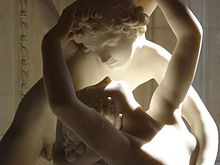
Ipnosi Regressiva e Meditazione BuddistaWikipedia -220px-Amore_e_psiche_(1)

Mentre l’Occidente ha considerato la possibilità di ricordare le vite passate solo di recente, l’Oriente lo ha fatto per millenni colla meditazione.

Exempli gratia, la Pratica del Ricordo usata dai monaci buddisti è descritta in alcuni testi quali il: Samannaphalasutta (il discorso sul frutto della vita ascetica); Dvedhavitakkasutta (il discorso dei due generi di pensiero); Visuddhimagga (il cammino verso la liberazione).

Inoltre, il ricordo delle vite passate del Buddha è riportato: nel Jataka; e nel Jatakamala.

La tecnica usata dai monaci buddisti applica la meditazione al ricordo.

Conformemente al Visuddhimagga, per raggiungere tale scopo, il monaco dopo essere passato attraverso i quattro stati d’assorbimento meditativo dirige l’attenzione alle vite precedenti. La capacità rievocativa dipende dall’abilità raggiunta. Questa inizialmente richiede la necessità di seguire la successione degli aggregati; in seguito conduce allo sviluppo dell’abilità di poter rievocare qualsiasi vissuto in centinaia di milioni di eoni.

Un novizio, per apprendere la pratica del ricordo, una volta emerso dal quarto assorbimento meditativo dirige a ritroso la sua attenzione cercando di ricordare tutto ciò che ha compiuto dall’ultima azione. 

All’insorgere d’una difficoltà, il monaco ripercorre i quattro stati d’assorbimento meditativo, riemergendo dai quali, l’evento problematico gli apparirà in tutta la sua chiarezza (Visuddhimagga).

La pratica richiede il suo tempo poiché il novizio retrocede, giorno dopo giorno, col ricordo fino al momento della sua nascita. Solo a quel punto, passa alle vite precedenti.  Un’attività difficile per i principianti che non devono scoraggiarsi. Tentativo dopo tentativo, riusciranno a ricordare dettagliatamente le esistenze passate vissute. Possedere una forte risoluzione è necessario. Ciò ha portato i buddisti a considerare l’adhitthana (termine pali per indicare la ferma determinazione)[2] una delle dieci perfezioni (parami e/o paramita). Ogni momento d’adhitthana è considerato come un “piccolo risveglio”, capace col tempo, di condurre al risultato ricercato.

La capacità di ricordare le vite passate è chiamata pubbenivasanussatinana (ricordo dei precedenti stati di esistenza). La capacità di ricordare gli eventi passati fino alla nascita è chiamata: conoscenza del passato[3].

Anche l’ipnosi regressiva è una metodologia che guida un soggetto[4] al ricordo delle vite passate. Essa è un’applicazione della tecnica ipnotica. Raggiunto lo stato ipnotico, il soggetto dirige l’attrizione al ricordo delle vite passate. Essa permette risultati in tempi più rapidi rispetto a quelli richiesti dalla meditazione buddista. Di contro, la qualità sembra essere minore.

La tecnica ipnotica è una disciplina nata in Occidente con Franz Anton Mesmer. Egli la scoprì accidentalmente imbattendosi in uno dei suoi espedienti base: l’esperienza destabilizzante e/o lo stato di confusione che spinge il soggetto in uno stato di suggestionabilità. L’essere umano posto in una situazione strana (difficile da capire; mai vissuta prima; etc…) sperimenta una sensazione d’incertezza che gli provoca uno stato di malessere. Il bisogno di dare significato all’insolito, rende il soggetto particolarmente sensibile ad ogni suggestione offerta dall’ambiente. E’ proprio la necessità d’uscire dallo stato d’incertezza, e/o di confusione, a cagionare la suggestionabilità.

Da allora, l’ipnosi si evolse in cinque tappe (Del Castello e Casili, 2007). Ognuna dominata da una figura leader. La prima tappa, come detto, fu quella dell’ipnosi classica di Masmer. La seconda quella dell’abate Faria che distinse tra soggetti ipnotizzabili e no[5]. La terza tappa ebbe due protagonisti: James Braid e Phineas Parkhurst Quimby[6]. La quarta tappa ebbe protagonista la scuola di Nancy ed il medico francese Ambrosie Lièbeault. La quinta tappa, la scuola della Salpetriere ed il neurologo Jean-Martin Charcot. Quest’ultimo distinse tra due tipi d’induzione ipnotica: quello “forte e brusco”; e quello “debole e prolungato”. Col primo si provocano stati di catalessia attraverso stimolazioni violente ed improvvise (e.g. l’apparizione d’una luce in una camera scura). Col secondo, i soggetti sono condotti in uno stato ipnotico con l’uso di alcune tecniche classiche quali: il progressivo affaticamento della vista; le pressioni delicate sul corpo; l’uso di comandi verbali; etc… .

In contrapposizione all’ipnosi classica, Milton Erickson propose l’ipnosi naturalistica.

I sostenitori di quest’ultima affermano di condurre i soggetti alla trance ipnotica usando le “risorse ipnotiche” di questi[7]. Le tecniche usate non procedono in modo autoritativo, ma, di volta in volta, sono ricucite e riadattate su misura sui soggetti. Ciò la rende flessibile. L’importante è seguire alcune linee guida quali: guidare l’attenzione; costruire “responsività” ai “segnali minimi”; usare la confusione; guidare le associazioni; promuovere la dissociazione; istaurare la regressione; favorire cambiamenti nello schema percettivo; accedere alle motivazioni; definire la situazione come ipnosi; ratificare le risposte “come ipnosi”; e lavorare subito con l’ipnosi (Del Castello e Casilli, 2011).    

Molto studiata è: la costruzione delle frasi e del discorso; la creazione del consenso; la polarizzazione dell’esperienza[8].

La differenza tra l’ipnosi e l’ipnosi regressiva sta nell’oggetto verso cui è diretta l’attenzione. Il soggetto, entrato nello stato ipnotico, è guidato progressivamente al ricordo d’eventi passati. Partendo dall’infanzia, il ricordo è portato verso le vite precedenti.

Un esempio di “istruzioni” per ricordare l’infanzia è il seguente:

“Ora la tua mente, libera dai limiti temporali, può ricordare gli eventi dell’infanzia. Lascia emergere un ricordo felice”.

Oppure:

Restando in questo stato di profondo rilassamento, puoi ricordare tutto. Lascia che la mente scelga un ricordo di quando eri bambino”. 

Un esempio d’“istruzioni” per ricordare vite passate è il seguente:

“Ora immagina una porta chiusa … una porta che ha un particolare potere … quello d’aprirsi sui ricordi d’una tua precedente vita. Aprendola sarai pervaso da una chiara luce … una luce amorevole … che infonde pace e tranquillità … mentre lentamente … da essa emergerà … prederà forma … il ricordo d’una tua precedente esistenza”.

Oppure:

“La tua memoria non ha limiti, può sporsi liberamente nello spazio-tempo… essendo capace di rievocare qualsiasi ricordo inerente alle tue precedenti esistenze. Per facilitare ciò, immagina che dinanzi a te appai una cabina d’un ascensore, entravi. Essa è una macchina del tempo, capace di portare la tua mente indietro nel Tempo. Rendi la cabina confortevole … e quando sei pronto … alza lievemente la mano destra … … . Bene ora sei pronto a proseguire il viaggio. Per partire premermi un tasto da tè scelto e/o immagina di dare tale comando alla cabina. Durante il viaggio, la cabina sarà pervasa d’una piacevole luce. Arrivato a destinazione, la luce si affievolirà … ed all’apertura della porta vedrai il ricordo evocato”.

Il resto è solo: esperienza individuale; ed interpretazioni sulle esperienze avute.

I ricordi possono essere assunti come ipotesi di ricerca. Potranno essere verificati (o confutati) attraverso la ricerca di controfattuali storici a là Stevenson.

In questo scritto non analizzo themae cari alla letteratura New Age quali: le anime gemelle; i colori dell’anima; le tipologie dei gruppi di anime; le guide spirituali; etc… .

For me, I know nothing; nothing I deny,

Admit-reject-contemn: and what know you,

Except perhaps that you were born to die?

And both may after all turn out untrue.

An Age may come, Font of Eternity,

When nothing shall be either old or new.

Death, so called, is a thing which makes me weep,

And yet a third of life is passed sleep”.

Lord Byron, Don Juan, canto XIV

Sogni Lucidi e Yoga del Sonno

In Occidente s’affermò un certo interesse per sogni lucidi durante la seconda metà del 1900. Di contro, la tradizione tibetana li studiò da secoli.

La tradizione Bon[9] sostiene che le tecniche legate allo yoga del sogno e del sonno sono state tramandate all’interno del suo lignaggio per più di 17.000 anni. Un lignaggio iniziato da Buddha Shenrab Miwoche.

In questo paragrafo parleremo: dello yoga tibetano del Sogno; dello yoga tibetano del Sonno; e delle ricerche sui sogni lucidi avvenute in Occidente.

Gli autori di riferimento, pubblicati in occidente, sulle tecniche yoga sono: Tenzin Wangyal Rinpoche (1998; 1997); Lama Lodo (1996); Namkhai Norbu Rinpoche (1993); Gyatrul Rinpoche (1993).

Conformemente ai loro insegnamenti, l’attività onirica è: un’estensione del samsara; determina dal karma. Durante lo stato intermedio dei sogni, la mente d’un individuo non ancora realizzato è guidata dal prana karmico. Questo, unendosi e stimolando le tracce karmiche depositate nella “coscienza deposito”, crea immagini oniriche. I sogni esprimono così le tracce karmiche accumulate dal soggetto nel suo pellegrinaggio nei sei regni d’esistenza (Tenzin Wangyal Rinpoche, 1998).

Conformemente alla tradizione bon, esistono tre tipi di sogni: i sogni samsarici; i sogni della chiarezza; i sogni della Chiara Luce.

Parallelamente, esistono tre tipi di sonno: il sonno dell’ignoranza; il sonno samsarico; ed il sonno della Chiara Luce.

I sogni samsarici sono i “sogni comuni” originati da tracce karmiche individuali. Hanno significati prevalentemente soggettivi, non in senso psicoanalitico ma karmico. In altre parole, questi sogni riguardano la vita (e/o le precedenti esistenze) dell’individuo. In essi eventi della vita presente e d’esistenze passate si mescolerebbero in un caotico e disordinato affiorare d’immagini a causa: della stimolazione del prana karmico; e dell’assenza del filtro della coscienza vigile. I ricordi che emergono in superfice, si mescolano fra di essi, come bolle d’aria nell’acqua. In questo tipo di sogni non avvengono incontri reali con altre entità, richiedendo questi il mantenimento della coscienza ivi assente.

I sogni della Chiarezza compaiono col progredire della pratica. Richiedono la capacità di: equilibrare il prana e la mente; entrare in uno stato di presenza mentale non-duale. Essi sono causati dalle tracce karmiche collettive. In altre parole, essi hanno significato oggettivo. Questo poiché la mente in essi può entrare in contatto con altri esseri reali. Con questi, il soggetto può comunicare e/o ricevere insegnamenti. Ad esempio si possono incontrare maestri spirituali, antenati, amici, con i quali dialogare.

I sogni della Chiara Luce richiedono maestria nella pratica dello yoga. Il soggetto acquisisce l’abilità di rimane saldo nella presenza mentale non duale[10]. In altre parole, la sua mente rimane stabile nella Chiara Luce[11]. In essi possono esserci, come non esserci, immagini oniriche. Ciò che li contraddistingue è l’abilità a mantenere la consapevolezza della natura illusoria di tutto ciò che accade, evitando di identificarsi con essa.

I primi due tipi di sogno possono essere: lucidi e/o non lucidi.

Il terzo tipo può essere solo lucido. Una lucidità costante che rimane nello stato di sogno e di sonno. Infatti, anche il sonno di Chiara Luce è l’abilità dello yogin di dimorare stabilmente nella Radiosità[12]. Raggiunte queste due abilità, lo yogin crea attraverso lo yoga del sogno[13] il corpo divino ed attraverso lo yoga del sonno[14] la mente divina.

Le tecniche insegnate in Tibet presentano un grado di “complessità” maggiore rispetto alle tecniche insegnate in Occidente[15]. Ai novizi è chiesta una costante disciplina nella pratica dello yoga.

Una pratica ‘suddivisa’ in: tecniche di base; tecniche preparatorie alla notte; tecniche principali; e tecniche d’integrazione attraverso le quali, l’abilità di mantenersi nella Chiara Luce è estesa a tutti gli altri stati intermedi.

Un esempio delle tecniche base è il seguente: riconoscere la natura onirica della vita[16]. Una pratica che ha l’obiettivo di trasferire tale abilità nel sogno.

Un’altra tecnica è la “pratica del ricordo”. Quest’abilità, esercitata due volte al giorno, richiede di ricordare gli eventi della giornata come fossero sogni, prima di addormentarsi, e al risveglio, ricordare i sogni allo stesso modo.

Esempi di tecniche preparatorie alla notte sono: la purificazione della mente[17]; la “protezione” durante il sonno[18]; lo sviluppo d’una connessione con un Maestro che aiuti il soggetto nell’avanzamento nella pratica[19].

La pratica principale consiste nell’integrare le immagini mentali colle dinamiche energetiche proprie della struttura psico-fisica del soggetto (descritta in summa nella prima parte). Per comprenderla, è necessario illustrare la fisiologia energetica dei tre canali energetici principali[20]. Questi canali possono essere identificati con Ida, Pingala e Susumna, sebbene nella riflessione tradizionale inerente lo yoga del sonno sono stati rielaborati[21].  Il canale centrale è raffigurato dal colore blu; il canale destro dell’uomo, dal colore bianco; il canale sinistro dell’uomo, dal colore rosso. La posizione dei canali laterali (destro e sinistro) nella donna è invertita.

Nel canale bianco circola il prana karmico[22]; nel canale rosso il prana della saggezza[23]. Nel canale centrale è realizzata la non-dualità.

Molti aspetti della pratica dello yoga tengono conto della fisiologia energetica.

Per istanza, essa determina il lato su cui dormire. Gli uomini dormono coricati sul lato destro; le donne sul sinistro. Questo favorirebbe l’apertura del canale rosso in cui scorre il prana della saggezza, grazie ad una lieve pressione esercitata, di contro, sul canale bianco. Questa pressione provocherebbe una parziale chiusura del canale bianco, ostacolando in tal guisa lo scorrimento del prana karmico.

L’obiettivo delle tecniche principali è: portare la coscienza nel canale centrale; e sviluppare la presenza della Chiara Luce.

L’integrazione è lo scopo finale dello yoga.

Attraverso questa tecnica è estesa la ‘presenza mentale nella Chiara Luce’ in tutti gli altri stati intermedi. In questo modo si accresce la capacità: di mantenersi distaccati dagli eventi; d’acquisire maggiore obiettività; di radicarsi più saldamente nella permanenza della Chiara Luce; ed di superare i Klesa.

In questo modo, lo stato intermedio di morte non è diverso dall’addormentarsi. Rimanendo consapevoli, è vinto il ciclo delle rinascite.

Per comprendere ciò, è da fare un’ultima precisazione.

Innanzi tutto è da chiarire come l’esistente per la tradizione buddista emerga dall’Unione di Vacuità e Chiara Luce attraverso l’azione della ruota della co-produzione condizionata. Quindi, per comprendere il pensiero buddista è sempre da tenere presente i concetti di Vacuità e di Chiara Luce.

Vacuità è definita come: la natura ultima della Realtà; l’essenza di tutti gli esseri ed entità (includendovi tutti: i fenomeni esterni; ed interni). Nonostante fu Buddha il primo a parlarne, il concetto fu sviluppato particolarmente nel II secolo d. C. dal fondatore della scuola Madhyamaka (Nagarjuna).

La Chiara Luce, di contro, è un concetto ampio che (in questo contesto) può essere identificato colla natura ultima della mente. Essa è il livello “più sottile della mente”. Nonostante sia onnipervasiva, la mente grossolana non la riesce ad avvertire. Solo durante lo stato intermedio di morte, avvenendo la dissolvenza della mente grossolana, la persona riesce a percepirla.

Lo yoga del sogno e del sonno cercano di allenare progressivamente i soggetti a prendere contatto colla Chiara Luce mentre dormono. In questo modo, imparano ad integrarla con tutti gli altri stati intermedi. E’ la capacità di restare nella Chiara Luce a liberare il soggetto dal ciclo delle rinascite.

Come lo yoga del sogno, anche lo yoga del sonno è costituito da un insieme di tecniche di visualizzazione. Il suo obiettivo è restare consapevoli durante il passaggio dallo stato di veglia a quello di sonno. Per riuscire, la consapevolezza è orientata al riconoscimento del progressivo estinguersi delle percezioni sensoriali. Questo processo è suddiviso in cinque fasi. Ognuna di esse è rappresentata da un tiglè[24] di colore diverso.

La prima fase comincia col coricarsi. La consapevolezza è focalizzata sul tigle’ di luce gialla. La seconda fase inizia col chiudere gli occhi. L’attenzione verso il Mondo esterno diminuisce. La coscienza è portata sul tiglè verde. La terza fase s’instaura col diminuire dell’esperienza sensoriale. La coscienza è trasferita sul tiglè rosso. La quarta fase inizia quando l’esperienza sensoriale è quasi estinta. La coscienza è spostata sul tiglè blu. Infine, entrati nel sonno, inizia la quinta fase. La coscienza è visualizzata sul tiglè bianco.

La visualizzazione è un “sostegno” usato dalla coscienza per mantenersi nella Chiara Luce.

L’apprendimento dello yoga del sonno può essere facilitato, e.g. visualizzando un Maestro.

Altre tecniche di visualizzazione quali il dissolvimento graduale possono essere usate.

Il dissolvimento graduale è una tecnica colla quale è visualizzata la progressiva espansione della luce bianca. Essa parte da un tiglè grande quanto un pollice che lentamente s’irradia diffondendosi all’intero corpo. In seguito, procedendo progressivamente, s’espande all’intero universo. Mentre si diffonde, la luce dissolve tutto ciò che tocca: la stanza; il pianeta; il sistema solare; l’universo. Tutti i tre mondi[25] si dissolvono in essa. Alla fine rimane solo la mente che dissolve i suoi pensieri integrandosi nella Chiara Luce.

In Occidente, la ricerca sul sogno lucido non mira a liberare l’individuo dal ciclo delle rinascite. Gli Occidentali hanno posto la loro attenzione sugli aspetti più piacevoli e ludici dell’esperienza. Molti sono interessati a fare esperienze piacevoli quali quella di volare.

In Occidente quest’argomento fu toccato di rado in passato. Il sufi Ibn El-Arabi, nel XII secolo, affermò che una persona può ricevere grandi benefici nell’allenarsi a controllare i propri pensieri mentre dorme (Shah, 1971). San Tommaso d’Aquino parlò della lucidità affermando che avviene più spesso negli uomini savi e dotati d’immaginazione sul finire dei sogni.

La prima trattazione vera e propria fu fatta dal Marchese Hervey de Saint Denis che nel 1867 pubblicò un diario nel quale racconta: le sue esperienze; come ricordare e controllare i sogni. Una pubblicazione che però non ebbe successo nel grande pubblico.

In seguito, Nietzsche ne fa alcuni accenni nei suoi scritti.

La prima trattazione scientifica fu condotta dallo psichiatra Van Eadem (1913) che coniò anche l’espressione sogno lucido. Lo psichiatra definì il sogno lucido come uno stato di consapevolezza durante il quale è possibile dirigere ed esercitare la propria attenzione e volontà, proseguendo indisturbatamente un sonno profondo e ristoratore. Van Eadem partecipò ai lavori della Society for Psychical Research. Egli riferì d’aver fatto 340 sogni lucidi in quattordici anni.

Altre pubblicazioni furono quelle di: Brown (1936); e Moers-Messmer (1938).

Sognatori lucidi autodidatti, invece, furono: Rudolf Steiner (1947); Hugh Calloway (1962), conosciuto come Oliver Fox; George Gurdjieff.

In campo antropologico, Kilton Stewart (1951) scrisse sulle tecniche di controllo dei sogni usate dai Senoi della Malesia.

Altri autori furono: Rapport (1948); Cecila Green (1968); Charles Tart (1963; 1969; 1979b); Sri Aurobindo (1970); Ann Faraday (1972; 1976); Watkins M. (1976).

Lo studioso Occidentale di riferimento che ha permesso al grande pubblico di conoscere il Sogno Lucito è stato La Berge (1979; 1980; 1981; 1985)[26].

Benché studiò all’Università di Stanford, La Berge, inizialmente, mostrò poca conoscenza del backgraunds culturale dell’oggetto dei suoi studi. Questo lo portò a fare affermazioni “imbarazzanti” ed a non considerare molte delle tecniche e conoscenze acquisite su di esso. LaBerge sostenne, ad esempio, che i sogni lucidi furono trattati molto spesso come un misterioso talento piuttosto che come abilità apprendibile (La Berge 1981). Un’affermazione che mostra come l’Accademico di Stanford ignorasse: lo yoga del sogno e del sonno; e molti scritti antecedenti al suo lavoro, e.g. quelli del Marchese Hervey de Saint Denis (1867).

Egli, durante le ricerche iniziali, considerò gli studi della Garfield che presentava un metodo basato sull’auto-suggestione. Vedendo i risultati modesti ottenuti dalla collega, LaBerge si chiese se fosse possibile incrementare l’abilità di fare sogni lucidi sviluppando metodi più efficaci. Così, sperimentando su se stesso una varietà di tecniche d’autosuggestione, arrivò a sviluppare una propria metodologia. In tre anni di studi fece 389 sogni lucidi, ottenendo col suo metodo un picco di 26 sogni lucidi in un mese.

L’autore ritenne che il problema principale fosse la vaghezza ed inefficienza delle tecniche precedenti. Per questo sviluppò un metodo capace, a suo dire, di produrre a comando i sogni lucidi.

La Berge (1981) individuò due fattori principali utili a produrre i sogni lucidi: la motivazione; e l’intenzione del soggetto, prima d’addormentarsi, di ricordarsi d’essere lucido durante il sogno successivo.

La tecnica sviluppata fu chiamata: MILD (Mnemonic Induction of Lucid Dreams). Una tecnica suddivisa in cinque fasi.

La prima fase è il naturale risveglio del soggetto di primo mattino.

La seconda fase è lo stato di veglia durante il quale il soggetto: memorizza i sogni fatti; e si dedica per 10 / 15 minuti alla lettura e/o altra attività che richieda full wakefulness.

La terza fase è costituita dal ritorno a dormire. In questa fase, il soggetto, nel coricarsi, ripeterà a se stesso una frase suggestiva quale: “Durante il prossimo sogno, diverrò cosciente di stare sognando”.

La quarta fase è caratterizzata dal tentativo del soggetto di creare un’associazione tra il R.E.M. (rapid eye movements) e l’acquisto di coscienza. Nel fare ciò, il soggetto potrà impiegare la visualizzazione. Usando questa tecnica, creerà un’associazione tra la fase R.E.M. e l’emergere della consapevolezza nello stato onirico. Exempli gratia, il soggetto potrà immaginare che l’attività onirica sia connessa ai movimenti oculari rapiti e che, l’occorrere di quest’ultimi, ingeneri l’insorgere dello stato di consapevolezza nel soggetto sognate all’interno del proprio stato onirico.

La quinta fase è costituita dalla ripetizione della terza e quarta fase fino a quando l’intenzione si fissa chiaramente nella mente.

La Berge (1981) riporta d’avere avuto una media di 21,5 sogni lucidi al mese utilizzando questa metodologia.

L’interesse mostrato dall’Università di Stanford (Sleep Research Center della School of Medicine[27]) rese l’argomento di ‘pubblico’ dominio.

Gli scritti di La Berge (1979; 1980; 1981) stimolarono, da allora, nuove ricerche sull’argomento.

Alcuni lavori susseguiti ad essi sono i seguenti.

Gackenbach, J.I. (1988) studiò la presenza di differenze nelle personalità degli individui e nella frequenza dei sogni lucidi.

Larry G. Peters (1989) contrappose lo stato di coscienza dei sogni lucidi allo Shamanistic State of Consciousness (SSC) e all’Ordinary State of Consciousness (OSC).

Paul Tholey (1989) pubblicò un’overview sulle ricerche avvenute in Germania. Egli riporta che lo studio dei sogni lucidi iniziò nel 1959 alla Johann Wolfgang Goethe Università. Descrive pure la “Reflection Technique” da lui sviluppata. Una tecnica che richiede al soggetto di domandarsi più volte al giorno: “Sono sveglio o sto sognando?” al fine di creare un’attitudine critica verso i propri stati di coscienza. Nell’usare questa semplice tecnica, l’autore ottenne il suo primo sogno lucido dopo quattro settimane.

Spadafora A. & Hunt H. T. (1990) compararono e correlarono: sogni lucidi; sogni archetipi-mitologici; ed incubi.

Richard Smoley (1992) affrontò l’argomento facendo “brevi accenni”, assai generici e vaghi, alle diverse tradizioni.

Walsh R. N & Vaughan F. (1992) esplorarono le implicazioni transpersonali legate ai sogni lucidi. Essi ipotizzano come i sognatori lucidi potessero decidere d’usare, ad un certo punto, il sogno lucido come tecnica transpersonale per avere esperienze transpersonali.

Donald J. DeGracia (1999) applica the Global Workspace System di Baars (1988) nel comparare i processi consci ed inconsci  operanti nello stato di veglia, di sogno non lucido, e di sogno lucido.

Un boom editoriale, e di siti internet, sull’argomento esplose nel primo decennio del 2000.

[1] Opera buddista in lingua Pali.

[2] Adhisthana (sanscrito).

[3] E/o conoscenza propria della concentrazione di base.

[4] Ipnotizzabile.

[5] Egli usò tecniche quali: l’ordine di dormire; l’uso di pressioni delicate sul corpo.

[6] Il primo coniò il termine “ipnosi” ed introdusse la pratica di concentrare l’attenzione su un oggetto. L’attenzione focalizzata provoca uno stato di affaticamento oculare che diventa l’“esperienza destabilizzante” per indurre l’ipnosi. Il secondo fu il “primo” a capire che l’ipnosi cura attraverso la suggestione.

[7] In realtà tutte le tecniche ipnotiche conducono alla trance ipnotica usando le “risorse ipnotiche” proprie dei soggetti, non potendo essere diversamente. Nonostante ciò la letteratura così “tradizionalmente” la descrive.

[8] Per un’idea sulla tecnica ipnotica di Erickson vedere: Milton H. Erickson & Ernest L. Rossi (1982); Milton H. Erikson (1982), Opere, a cura di Ernest L. Rossi; Richard Bandler & John Grinder (1984).

[9] La tradizione indigena tibetana.

[10] Viene meno la distinzione tra: il soggetto (chi sogna); e l’oggetto (il sogno).

[11] Preciso che è la Consapevolezza che si mantiene nella Chiara Luce.

[12] Un altro modo per chiamare la: Chiara Luce.

[13] La meditazione.

[14] La presenza mentale nella ‘coscienza non-duale’.

[15] Exempli gratia: La Berge, 1980;  La Berge S. P., Nagel L. E., Dement W. C., and Zarcone V. P. Jr. , 1981; Gackenbach J. & LaBerge S. P., 1988; La Berge S. P. & Rheingold H., 1990

[16] D’altronde la comprensione della natura illusoria della Realtà è fondamento della pratica.

[17] Exempli gratia: la tecnica dei nove respiri di purificazione.

[18] Exempli gratia: trasformare lo spazio circostante (usando delle immagini mentali) in un luogo sacro. La tradizione Bon immagina questo luogo protetto dalle Dakini e/o dai Buddha e/o dalle Boddhisattva.

[19] Exempli gratia: visualizzando (attraverso un’immagine mentale) un Maestro. Questo è scelto dal soggetto. Gli appartenenti alla tradizione Bon scelgono il loro Maestro tra: le Dakini; i Yidam; i Buddha. Molti ricorrono a Buddha Shenla Odker: una manifestazione di Buddha Shenrab Miwoche.

[20] I canali energetici in tibetano sono chiamati tsa.

[21] Ci sono diverse modifiche rispetto allo yoga tradizionale. Exempli gratia, le misure di riferimento dei canali.

[22] In tibetano: rlung.

[23] In tibetano: je rlung.

[24] Tiglè ha diversi significati. Nello yoga del sonno simboleggia i diversi stati della coscienza.  Tiglè, deriva dall’espressione tibetana thig le. In sanscrito è tradotto con bindu (punto; goccia).

[25] I tre mondi sono: del desiderio; della forma; e dell’assenza di forma.

[26] Oltre ad essere stato co-autore, ed editore, di molte pubblicazioni tra le quali ricordo: La Berge S. P., Nagel L. E., Dement W. C., and Zarcone V. P. Jr. (1981); Gackenbach J. & LaBerge S. P. (1988; Eds); La Berge S. P. & Rheingold H. (1990).

[27] Dove La Berge fece un PhD in Psico-Fisiologia.

Università di Cambridge & Massoneria

Negli ultimi anni c’è stata una “esplosione” di pubblicazioni e di trasmissioni televisive che hanno divulgato molte informazioni concernenti alcuni gruppi, società e/o confraternite (più o meno segrete)[1]. Le più popolari sono state Mistero (Mediaset) e Voyager (RAI) ma non sono mancate altre trasmissioni: e.g. diversi documentari trasmessi dal Canale Focus.

Attraverso d’esse, l’opinione pubblica ha gradualmente conosciuto themae inerenti: la Massoneria; gli Skulls and Bones di Yale; gli Illuminati della Baviera; i rapporti tra il Nazionalsocialismo, Società Segrete ed Occultismo; “il tutto ed il di più” sull’Ordine dei Templari; etc… . E’ stato dimostrato storicamente come questi gruppi abbiano influenzato numerosi eventi storici, agendo (per usare le categorie di Goffman), non nella ribalta ma, nel retroscena della Storia.

Nonostante queste trasmissioni e pubblicazioni abbiano ormai trattato tutti i themae possibili ed immaginari (con diversi gradi di accuratezza) mi è capitato di rilevare, in alcuni casi, una maggiore attenzione su alcuni aspetti piuttosto che altri.

Uno di questi concerne alcune divulgazioni fatte sull’Occhio Onniveggente, la cui raffigurazione avrebbe indicato un’influenza massonica. Quindi, nessun segreto sconvolgente: rassicurateVi. Una “precisazione”, un’informazione storica, su un aspetto dell’Universitas Cantabriginiensis[2].

Com’è stato reso pubblico, l’Occhio Onniveggente è uno dei simboli più noti della Massoneria. Per la forte influenza che quest’ultima ha avuto negli Stati Uniti d’America, esso è stato stampato (dal 1933) sul retro della banconota da un dollaro. Una decisione presa dal Presidente Franklin Roosevelt, Grand’ Maestro Massone del 33° grado. In seguito, fu usato anche nel logo dell’Agenzia Governativa Statunitense D.A.R.P.A.[3]. Quest’ultima, dopo che la questione fu più volte sollevata, decise di sostituirlo.

Questa informazione (ripetuta dai Media) fu presentata come prova di come l’occhio onniveggente testimoni l’esistenza d’un’influenza massonica. Gli scettici, di contro, l’hanno sempre liquidata come mera congettura. Nessuno, in questo dibattito, sembrò accorgersi d’un elemento che avrebbe risolto definitivamente la diatriba in thema, grazie alle dichiarazioni ufficiali seguite. L’Occhio Onniveggente, infatti, è apparso “clandestinamente” anche sullo Stemma e sulla Bandiera dell’Università di Cambridge dalla prima metà del XX secolo[4]. Proprio in mezzo allo stemma dell’Università, infatti, è stato apposto l’Occhio Onniveggente. Un simbolo, oggigiorno, riportato in ogni raffigurazione (ufficiale e commerciale).

E’ pacifico che l’Occhio Onniveggente: a) non ha significato araldico; b) non è parte dello Stemma dell’Università di Cambridge. Prova è data dagli stessi Statutes and Ordinances dell’Università. Exempli gratia, negli Statutes (verificati regolarmente fino al 2010) è ufficialmente scritto che: “ the arms now borne by the University of Cambridge, gules a cross ermine and four gold leopards with a book gules upon the cross, were granted by Robert Cooke, Clarencieux King of Arms, on 9 June 1573”. Queste armi sono rimaste identiche a tutt’oggi. Nonostante ciò, durante lo scorso secolo, apparve (come detto supra) l’Occhio Onniveggente proprio al centro del suo stemma per rimanervi.

Questo simbolo, apparso “illecitamente e clandestinamente” indica: la sua “appartenenza” alla Massoneria; e/o, la forte influenza che quest’ultima ha su di essa. Questa tesi, potrebbe essere vista dai “soliti scettici”, come un’altra “speculazione” allo stesso modo di quelle fatte sulla banconota da un dollaro americano. Ciò, però, in questo caso NON può avvenire. Infatti, negli ultimi anni, è stata la stessa Massoneria Inglese a riconoscere (ufficialmente e più volte) di svolgere un’intensa attività di “reclutamento” presso le Università di Cambridge e di Oxford. Un’azione “palpabile” nell’Oxbridge[5], ove studenti e docenti sono “fortemente incoraggiati” ad unirsi alla Massoneria. Per favorire tale “reclutamento”, la Massoneria Inglese abbassò il limite d’età per i candidati dai 21 anni ai 18 anni. Un limite abbassato anche di recente per istituire l’“Universities Scheme”. Uno schema usato per estendere l’attività di “reclutamento” dall’Oxbridge ad altre sette Università del Regno Unito (Bath; Birmingham; Bristol; Durham; Exeter; Manchester; e Sheffield).

I legami tra la Massoneria e l’Oxbridge sono di lunga data. Conformemente alle dichiarazioni rilascitate al Telegraph da uno spokesman dell’Università di Oxford: “While it is not a body officially affiliated with the University, there has been a lodge at Oxford since 1819[6].

L’interesse della Massoneria nella formazione e nell’educazione delle nuove generazioni è da sempre stato forte. Prova è data dalle due scuole inglesi: la Royal Masonic School for Girls a Rickmansworth (Hertfordshire); e la Royal Masonic School for Boys vicino a Bushey[7]. All’Università di Cambridge esiste una loggia aperta ai solo Membri dell’Università. Inoltre, alcuni Colleges hanno istituito proprie logge aperte solo ai loro membri ed alumni. Exempli gratia: Trinity College[8].

Il forte legame tra la Massoneria e l’Università di Cambridge è più che provato e documentato. Le informazioni sono, oggigiorno, rese pubbliche: dagli stessi soggetti interessati; dalla Massoneria Inglese; e da alcuni giornali britannici. L’Occhio Onniveggente inserito “clandestinamente” nello Stemma, ufficializza e pubblicizza, la forza di questo legame a chiunque sappia leggere tali simboli.

Un legame talmente scontato che: molti all’Università di Cambridge ritengono “erroneamente” i nuovi membri arrivati a tal fine! Per verificare se questi siano già appartenenti alla Massoneria (e/o ad altri gruppi), gli sono fatte “sperimentare” alcune strette di “mano segrete”. Nel caso i soggetti siano già degli affigliati, sapendo come rispondere, riveleranno la loro appartenenza. Di contro, dopo aver pensato tali “insolite strette di mano” parte delle “abitudini aborigene” locali, ne scopriranno il significato! Il toccamento “base”, sperimentato maggiormente dai più, è quello di sentirsi premere con l’unghia del pollice la prima falange dell’indice ricevendo tre invisibili colpi uguali. La risposta da dare, non dovete chiederla a Me. Io: non sono un Massone; non ho richiesto di diveltarlo; ed ho declinato ogni loro “cortese invito”.

Concludo il Post dicendo che con esso non è stata mia intenzione fare alcuna attività di proselitismo a favore della Massoneria (neppure indirettamente). Dai samples osservati a Cambridge, sono emersi forti dubbi sui “valori morali” che ufficialmente dice di promuovere[9]! Molti comportamenti vanno in tutt’altra direzione!! Semplicemente, con questo Post, ho voluto riportare una notizia (pure di rilevanza storica) inerente allo Stemma dell’Università di Cambridge. Un qualcosa che era già sotto “l’Occhio” di tutti, sebbene nessun “commentatore noto” lo abbia rilevato.

Inoltre, ritengo questa un’informazione utile per ogni studente prima di “optare” in quale Università andare. In questo modo: chi è massone (e/o vuole diventarlo) può scegliere quelle Università più vicine a questa ideologia[10]; chi di contro non è un massone (e non vuole diventarlo) può liberamente scegliere altre Università nelle quali sono assenti queste “attività di reclutamento”. In questo modo, nessuno è costretto a perde tempo!

Per studiare, un Università vale l’altra. I ranks sono solo forme attraverso le quali si manifestano alcuni aspetti delle Lotte di Potere e di Significato attraverso le quali alcuni gruppi tendono a dominarne altri, exempli gratia, reclutando e ponendo in posti chiave propri membri.

That’s all Folks!

[1] Senza voler dare una bibliografia sul thema, a scopo meramente esemplificativo, per chi volesse leggere per la prima volta alcuni libri sull’argomento consiglio, per la chiarezza espositiva e l’accuratezza, le pubblicazioni di:

Marco Pizzuti (2009), Rivelazioni non Autorizzate – Il Sentiero Occulto del Potere, Vicenza (Il Punto di Incontro);

Marco Pizzuti (2012), Rivoluzione non Autorizzata – Come Cambierà il Mondo, Vicenza (Il Punto di Incontro).

L’autore gestisce anche un sito internet d’informazione: http://www.altrainformazione.it

Chi, dopo aver letto le opere supra indicate, e.g. voglia leggere altri libri sull’argomento e sia interessato al Club Bilderberg, indico i lavori d’un ex collaboratore del KGB: Daniel Estulin (2012), L’impero Invisibile, Roma (Castelvecchi Editore – un marchio di Lit Edizioni).

Preciso che ciò non significa che chi scrive condivide necessariamente ogni tesi esposta dagli autori indicati.

[2] Nome latino dell’Università di Cambridge.  E’ da esso che deriva l’abbreviazione “Cantab.”  (usata dai suoi membri ed alumni ) per indicare che il titolo accademico gli fu conferito dall’Università di Cambridge. Quindi se vedete una scritta del tipo: B.A. (Cantab.); LLM (Cantab); MPhil (Cantab.); MLitt. (Cantab.); PhD (Cantab.) … significa che il relativo titolo accademico è stato conferito al soggetto dall’Università di Cambridge.

[3] Defence Advanced Research Projects Agency.

[4] L’Università di Cambridge è una delle Università che da sempre si trova tra i primi posti nel rank Modiale. Ad esempio, nel 2005 e 2006, conformemente all’Academic Ranking of World Universities era al secondo posto dopo l’Università di Harvard. Di contro, l’Università di Oxford era al solo al 10 posto. Nel 2010 e nel 2011, conformemente al QS World University Rankings, era al primo posto.

[5] Nome che riunisce l’Università di Cambridge e di Oxford.

[6] Telegraph, 27 Maggio 2007.

[7] Quest’ultima fu chiusa nel 1977.

[8] Un fatto palesemente noto: essendo stato reso pubblico dallo stesso Trinity College in internet.

[9] Con ciò NON si vuole fare di tutta l’erba un fascio, ma neppure riportare cose non osservate nei samples!

[10] Come chi è Cattolico può scegliere un’Università Cattolica; chi è Arabo un’Università Mussulmana; chi è ateo un Università “atea”; etc… .

3 Giugno 2015. L’Università di Genova testimonia la sua Grandezza. Il Dipartimento di Scienze della Formazione accoglie la PETIZIONE presentata dagli Studenti!

In risposta alla PETIZIONE, i Presidenti dei Corsi di Laurea hanno preso, prontamente, “in pugno” la situazione.

La Prof.ssa Zanobini, Presidente del Corso di Laurea in Scienze e Tecniche Psicologiche, nominata Presidente della Commissione di Laurea del 3 Giugno, ha subito chiarito d’agire come Garante: del rispetto dei Regolamenti; e della Naturale successione delle fasi dell’esaminazione finale. D’altronde, non poteva essere diversamente. La grande sensibilità posseduta dalla Prof.ssa Zanobini per i diritti e le esigenze degli Studenti era (già) proverbiale. Non a caso, Ella è tra le Docenti più amate (seguite e stimate) del Dipartimento. I suoi corsi sono sempre stati tra i più affollati, grazie: alla sua eccezionale chiarezza espositiva; alla sua travolgente abilità nel coinvolgere i partecipanti. Non solo, leggendaria è anche la sua Umanità. Un’Umanità che (da tempo) l’ha resa uno dei Baluardi posti a difesa dei Diritti dei più Deboli nel Nostro Ateneo. Insomma, una docente che ci rende tutti orgogliosi d’essere sui Discenti.

Grazie, Prof.ssa Zanobini.

Un grazie va anche agli altri Presidenti dei Corsi di Laurea che, in concerto colla Collega, hanno subito mostrato la capacità d’intervenire celermente, e “ferrea intenzione”, nell’impedire il ripetersi di tali phenomena. Phenomena ritenuti essere eventi accidentali, non voluti, accaduti a loro completa insaputa. Un’accidentalità dimostrata dalla pronta risposta.

Un particolare Riconoscimento va al Direttore del Dipartimento (Prof. Amoretti) che, … stupito del fortuito “sbandamento” nel quale “scivolarono” alcuni …, ha deciso d’ergersi a Vigile Presidio. Un’azione di cui, … Noi tutti eravamo certi. Egli è tra gli Accademici maggiormente impegnati nel rendere l’Università di Genova un Centro d’Eccellenza Mondiale. Un Accademico che, come assunto l’incarico di Direttore, ha fatto tutto per incrementare il prestigio del Dipartimento. Un Professore che tutti Noi vorremmo assumere a Modello.

Grazie, Direttore.

Per finire, si ringraziano i Rappresentati degli Studenti che hanno mostrato grande capacità nel portare avanti le istanze dei loro rappresentati.

Un particolare GRAZIE va dato al Sen. Simone Frega, membro del Senato Accademico, che da autentico Giurista ha subito compreso, più d’ogni altro, l’importanza del caso. Le sue competenze, il suo interessamento, l’appoggio “politico” dato, sono stati fondamentali alla difesa dei diritti degli studenti!

Un grazie anche ai Rappresentati degli Studenti del Dipartimento. A quest’ultimi, da “fratello maggiore”, dico: “ragazzi! FateVi sentire più spesso! Parlate a Voce Alta! Dovete sapere che, a causa dell’“inquinamento acustico”, se parlate “troppo a bassa voce” alcuni dei Seniors potrebbero non sentirVi. RicordateVi che: i Diritti sono Diritti. Essi vanno difesi. Non sono mica concessioni da elemosinare come mendicanti!”. In ogni caso… bravi ragazzi! Quando NON Vi “fate di Psicanalisi”, “qualcosa” concludete!

Un’esortazione condivisa anche dai Presidenti e dal Direttore pieni di soddisfazione nel vedere che in Dipartimento (… contrariamente a quanto sostenuto da alcuni giornali …) gli studenti sono “vivi”, capaci di mostrare grande partecipazione e pieni di fermento politicoIn essi era visibile: la commozione di chi, anni addietro, “combatté” con eguale entusiasmo “lotte” simili; ed un “caldo invito” a partecipare più spesso.

Finisco sottolineando come “questa vicenda” non evidenzi “l’errore” ma, di contro, la GRANDEZZA e la SUPERIORITA’ dell’Università di Genova, rendendoci ORGOGLIOSI di farne parte.

Essa testimonia la Grandezza e la Superiorità degli Italiani nel saper correggere prontamente i propri errori accidentali.  D’altronde l’ITALIA è sempre stata: il Paese della Cultura; la Culla della Civiltà e del Diritto; la Madre dell’Università. Finiamola: d’auto-parlaci male; di commiserarci; d’elogiare popoli di “barbari costumi” (imitandoli). Noi siamo meglio. Noi siamo “il Meglio”. Exempli gratia, all’Università di Cambridge (arrivata al 1° posto nel rank mondiale) per nascondere un’irregolarità (non di rado accade che) se ne facciano altre dieci peggiori (!) e così via crescendo (!!). L’obiettivo, infatti, non è quello di rimediare all’errore. L’obiettivo è solo quello di nascondere, impedire che dell’errore si sappia! Questo poiché ivi, tutto dipende dalla Vuota Apparenza. Una Fama, in buona parte, dovuta alla, e basata sulla, costruzione mediatica. Il frutto d’un’accurata campagna propagandistica!

A NOI Italiani, di contro, NON c’importa NULLA della Vuota Apparenza. NOI siamo un “Popolo di Sostanza e di Contenuto”. I “comparativi” non esistono per Noi; Nostro è solo il “superlativo”.

NON temiamo le “critiche”, poiché NON abbiamo bisogno: d’auto-elogiarci continuamente; d’auto-incensarci ripetutamente; di salvare le apparenze; di controllare giornalmente il rank per (s)venderCi sul Mercato!

In NOI abbonda, per Natura, la Grandezza, la Genialità, la Creatività, l’Umanità, la Virtù … in così tanta sovrabbondanza che: le diamo per scontate, arrivando (per abitudine) a non vederLe neppure. SottovalutandoCi, omettiamo di farCi alcuna pubblicità. D’altronde, cosa serve la réclame a chi come NOI non è merce che si svende al Mercato!

Ecco cosa Vi dico. E’ giunta l’ora di finirla di: farci “colonizzare” da “barbare culture”; abbindolare dalle loro campagne pubblicitarie patinate; reprime, rinnegare, abiurare le Nostre Nobili Origini, la Nostra Gloriosa Civiltà e Tradizione!

Ecco cosa afferma, … ecco cosa emana, … ecco cosa testimonia, … ogni Nostro Agire al Mondo Intero: “Mundi, Nos Optimi”. E quando qualcuno Vi chiederà chi siete, rispondetegli con ORGOGLIO: “Superbi ATENEI GENUENSIS, liberi”.

Che cosa?! Qualcuno si chiede che ruolo abbia avuto Io in tutto ciò?

Assolutamente nessuno. Timido ed Imbranato come sono! Timorato di Dio e dell’Uomo! Che cosa avrei potuto fare?!

Semplicemente: vidi cose accadere da se; ammirai Gesta d’Uomini Gloriosi mentre (spontaneamente) stavano forgiando la Storia; … e all’epullion volli dare parola degna!

Alla prossima!